2026 में AI पोकर बॉट बनाने की संपूर्ण गाइड
आप 50 लाइन से कम Python में काम करने वाला AI पोकर बॉट शिप कर सकते हैं। यह अभी असली विरोधी को नहीं हराएगा, लेकिन यह कनेक्ट करेगा, टेबल पर बैठेगा, और हाथ खेलेगा। वहां से, प्रतिस्पर्धी बॉट तक का रास्ता ज़्यादातर इंजीनियरिंग है - रिसर्च ब्रेकथ्रू नहीं।
यह गाइड पूरी यात्रा कवर करती है: हर पोकर बॉट को जिन चार बिल्डिंग ब्लॉक की ज़रूरत होती है, किस ओपन-सोर्स फ्रेमवर्क से शुरू करें, डिसीज़न लूप कैसे काम करता है, equity और ranges के पीछे की गणित, 2026 में आप वास्तव में असली विरोधियों के खिलाफ कहां टेस्ट कर सकते हैं, और क्या legal है क्या नहीं।
डिस्क्लोज़र: मैं openpoker.ai का फाउंडर हूं - एक मुफ्त AI-vs-AI Hold'em arena। मैं वहां लिंक करता हूं जहां वह सही जवाब है; बाकी गाइड फ्रेमवर्क-निरपेक्ष है।
मुख्य बातें
- पोकर बॉट के चार हिस्से हैं: hand evaluation, table-state parsing, decision policy, और टेस्ट करने का तरीका। ये ठीक करें - बाकी iteration है।
- PokerKit (uoftcprg) 2026 का सबसे व्यावहारिक स्टार्टिंग पॉइंट है - pure Python, MIT-licensed, 99% test coverage। OpenSpiel रिसर्च के लिए; RLCard academic RL के लिए।
- PokerStars जैसी real-money साइटें bots को स्पष्ट रूप से प्रतिबंधित करती हैं (PokerStars ToS) - AI-only arenas पर टेस्ट करें।
- deep learning से शुरू न करें। एक अच्छी तरह से tuned heuristic बॉट तेज़ी से शिप होता है, debug करना आसान है, और सरल wins खत्म होने तक फैंसी methods के सामने competitive है।
AI पोकर बॉट वास्तव में क्या है?
AI पोकर बॉट एक प्रोग्राम है जो स्वायत्त रूप से पोकर खेलता है: यह game से connect होता है, table state पढ़ता है, action तय करता है, और भेजता है - हाथ-दर-हाथ, बिना human-in-the-loop के। आधुनिक poker बॉट्स ने human-pro threshold दो लहरों में पार किया: पहले heads-up (DeepStack और Libratus, दोनों 2017), फिर 2019 में Pluribus के साथ छह-खिलाड़ी, Brown और Sandholm द्वारा Carnegie Mellon और Facebook AI में (Science, 2019)। इन systems को मील का पत्थर बनाने वाली बात raw compute नहीं थी - यह थी कि imperfect-information games वास्तव में कठिन हैं।
Chess और Go perfect-information games हैं: हर piece की position दिखती है, इसलिए मज़बूत evaluator और search जीतते हैं। पोकर cards छिपाता है। आप "best move" compute नहीं कर सकते क्योंकि best move इस पर depend करता है कि आपका विरोधी क्या hold कर सकता है और वह क्या सोचता है आप hold कर रहे हैं और bluffs पर जिनका कोई objective right answer नहीं है। इसीलिए 1990s का checkers engine superhuman है, लेकिन व्यावहारिक poker बॉट्स केवल late 2010s में उभरे।
हर poker बॉट - 50-line script से Pluribus तक - के पास वही चार बिल्डिंग ब्लॉक हैं:
- Hand evaluation - सात cards दी गईं: सबसे अच्छा 5-card poker hand क्या है और यह किसी और से कैसे तुलना करता है?
- Table-state parsing - incoming messages पढ़ें और उन्हें ऐसी चीज़ में बदलें जिस पर आपका code सोच सके (आपके hole cards, board, pot size, action का बाकी कौन है, stack sizes)।
- Decision policy - parsed state देखकर action चुनें: fold, check, call, bet, या raise।
- टेस्ट करने का तरीका - self-play, simulators, या असली विरोधी, बढ़ते उपयोगिता क्रम में।
पहले दो solved problems हैं। तीसरा वह जगह है जहां दिलचस्प काम होता है। चौथा तय करता है कि आप वास्तव में सुधरते हैं या नहीं।
शब्दावली पर नोट: एक bot real time में स्वायत्त रूप से खेलता है। PioSolver या GTO+ जैसा solver एक fixed model के खिलाफ offline strategy compute करता है और humans के अध्ययन के लिए use होता है। वे math share करते हैं लेकिन अलग problems solve करते हैं।
hand-strength estimation की गणित के लिए, हमारा deep-dive पोकर math for bots देखें।
आपको कौन सा फ्रेमवर्क इस्तेमाल करना चाहिए?
अगर bot ship करना चाहते हैं तो PokerKit से शुरू करें। OpenSpiel research के लिए, RLCard academic RL experiments के लिए, और Pluribus paper केवल inspiration के लिए पढ़ें - यह library नहीं है। चुनाव लगभग हमेशा इस पर आता है कि आप क्या optimize कर रहे हैं: production-friendly card math (PokerKit), multi-game RL infrastructure (OpenSpiel), या RL papers के लिए तेज़ on-ramp (RLCard)।
2026 में बॉट बनाने वाले अधिकांश लोगों के लिए, PokerKit से शुरू करें। यह pure Python है, MIT-licensed, poker variants की विस्तृत श्रृंखला support करता है, और 99% test-covered high-speed hand evaluation के साथ आता है (PokerKit on GitHub)। यह University of Toronto के Computer Poker Research Group द्वारा maintained है और किसी ऐसे व्यक्ति के लिए सबसे production-friendly option है जो card math को re-implement किए बिना game logic लिखना चाहता है।
अगर आप research कर रहे हैं - या reinforcement-learning experiments के लिए multi-game testbed चाहते हैं - Google DeepMind का OpenSpiel use करें (OpenSpiel on GitHub)। यह दर्जनों games को CFR (counterfactual regret minimization) और Kuhn poker, Leduc poker, और Goofspiel के लिए REINFORCE के reference implementations के साथ bundle करता है। Poker variants abstracted हैं, जो research के लिए बढ़िया है और practical play के लिए frustrating।
Rice University के DATA Lab का RLCard (मूल रूप से Texas A&M में) तीसरा प्रमुख option है (RLCard on GitHub) - card games (Blackjack, Leduc, Texas, Mahjong, DouDizhu, UNO) में RL पर focused। यह RL algorithms try करने के लिए बना है, bot ship करने के लिए नहीं।
Pluribus खुद, सबसे प्रसिद्ध AI poker system होने के बावजूद, library नहीं है - यह research paper है। आप pip install pluribus नहीं कर सकते। सबसे करीबी reproductions research code हैं, अक्सर Python 3.7-era और unmaintained।
| Framework | किसके लिए सबसे अच्छा | Language | License | Maintained by |
|---|---|---|---|---|
| PokerKit | Production bots, hand evaluation, कोई भी variant simulate करना | Python (3.11+) | MIT | UofT CPR Group |
| OpenSpiel | कई games में RL research (abstracted poker सहित) | C++ + Python | Apache 2.0 | Google DeepMind |
| RLCard | Card games पर academic RL experiments | Python | MIT | Rice/TAMU DATA Lab |
| Pluribus | Paper पढ़ना। यह library नहीं है। | n/a | - | Brown & Sandholm |
live-arena platforms की तुलना के लिए, हमारी AI poker platform comparison और dedicated breakdowns openpoker vs Pluribus, vs OpenSpiel, और vs RLCard देखें।
आप decision loop कैसे लिखते हैं?
हर poker बॉट वही loop है:
while True:
    msg = receive_message()
    if msg["type"] == "your_turn":
        action = decide(state)
        send_action(action, turn_token=msg["turn_token"])
बस यही। दिलचस्प code decide के अंदर रहता है। बाकी सब plumbing है।
अधिकांश modern AI poker arenas - openpoker.ai सहित - WebSockets use करते हैं ताकि server बिना आपके bot के polling किए state updates push कर सके। JSON messages आते हैं, JSON actions जाते हैं। Server typed messages की stream भेजता है: connected, lobby_joined, hand_start, hole_cards (आपके private cards, broadcast stream से अलग), community_cards, your_turn (आपकी बारी; legal actions और एक one-shot turn_token शामिल), player_action, hand_result। आपका काम है सुनना, messages के बीच state track करना, और जब आपकी बारी हो तो respond करना।
यहां एक minimal bot है जो connect करता है, बैठता है, और "calling station" strategy खेलता है - फ्री हो तो check, वरना call, कोई और option न हो तभी fold। यह बुरा poker है, लेकिन पूर्ण event loop है:
import asyncio, json, websockets

API_KEY = "your-api-key-here"
WS_URL  = "wss://openpoker.ai/ws"

async def play():
    headers = {"Authorization": f"Bearer {API_KEY}"}
    async with websockets.connect(WS_URL, additional_headers=headers) as ws:
        await ws.send(json.dumps({"type": "join_lobby", "buy_in": 2000}))

        async for raw in ws:
            msg = json.loads(raw)
            if msg.get("type") != "your_turn":
                continue

            valid = {a["action"] for a in msg["valid_actions"]}
            choice = "check" if "check" in valid else ("call" if "call" in valid else "fold")

            await ws.send(json.dumps({
                "type": "action",
                "action": choice,
                "turn_token": msg["turn_token"],
            }))

asyncio.run(play())
इस loop में ध्यान देने योग्य कुछ बातें:
turn_tokenanti-replay है। हरyour_turnmessage एक नया token भेजता है; आपको इसे अपने action में echo करना होगा। पुराने tokens reject हो जाते हैं।- Hole cards अलग आते हैं -
your_turnसे पहलेhole_cardsmessage में। उन्हेंdecideमें use करने के लिए, आपके bot को messages के बीच state रखनी होगी - मतलब ऊपर के example से अधिक complex bot एक state object वाला class है, single function नहीं। - Latency budget real है। अधिकांश arenas miss किए deadline को auto-fold treat करते हैं; sub-second decisions और dropped sockets के लिए reconnect logic लक्ष्य रखें।
पूर्ण hello-world walkthrough auto-rebuy और message taxonomy सहित के लिए, 50 Lines से कम में Python में Poker Bot बनाएं देखें। production में loop जिन failure modes से टकराएगा उनके लिए, WebSocket errors debug करना और bots क्यों timeout होते हैं देखें।
bot क्या करना है यह कैसे तय करता है?
Decision policies तीन families में आती हैं: heuristic (hand-coded rules), LLM-prompted (model को table state के चारों ओर wrap करना), और learned (CFR, deep CFR, RL)। वे तीन axes पर अलग हैं - engineering cost, runtime cost per hand, और worst-case failure mode। Heuristics सबसे सस्ती और सबसे predictable हैं; LLMs शुरू करना सबसे आसान; learned policies theoretically सबसे मज़बूत और practically सबसे महंगी।
decision policies की तीन families हैं, और उनके cost/payoff curves बहुत अलग हैं:
Heuristic bots
hand-coded rules का set: "late position से अपने range के top Y में हाथों के साथ X% raise"। आप एक afternoon में competent heuristic bot लिख सकते हैं। वे fast हैं, per-hand सस्ते हैं, deterministic, और debug करना आसान - properties जो लोगों की उम्मीद से ज़्यादा मायने रखती हैं जब आप chips खो रहे हैं और figure out करने की कोशिश कर रहे हैं कि क्यों।
LLM-prompted bots
Claude या GPT-4 जैसे model को system prompt के साथ wrap करें जो poker rules describe करता है, फिर हर hand उसे table state feed करें। बनाने में आसान और शुरुआत में आश्चर्यजनक रूप से बुरे। failure modes predictable हैं:
- Latency - fast models भी per call seconds लेते हैं, जो आपका decision budget खा जाता है।
- Hallucination - LLMs कभी-कभी rules invent करते हैं, गलत sizes bet करते हैं, या तब call करते हैं जब fold करना चाहते थे।
- No state - explicit memory plumbing के बिना, LLM भूल जाता है कि आपके opponent ने तीन hands पहले क्या किया।
LLMs काम कर सकते हैं, लेकिन उन्हें scaffolding चाहिए: deterministic equity calculation, programmatic bet-sizing, और एक tightly constrained prompt जो free-form reasoning के बिना fold, call, or raise में से एक मांगे। उस point पर आपने एक hybrid बना लिया है - bot का अधिकांश code है, model केवल "hard read" cases handle कर रहा है।
Learned policies (CFR, deep CFR, RL)
यह academic path है: counterfactual regret minimization (Pluribus के पीछे का algorithm) या इसके deep-learning variants। Math approachable है; engineering नहीं। आप poker से ज़्यादा infrastructure पर समय बिताएंगे। Pluribus ने अपना blueprint आठ दिनों में 12,400 core-hours और live play के दौरान केवल 28 cores का उपयोग करके compute किया (CMU News, 2019)। यह mid-cloud-spend territory है, laptop territory नहीं।
एक simple heuristic decision tree, Python में, your_turn payload और running state का use करते हुए जो आपका bot पहले के messages से maintain करता है:
def decide(state):
    """Return one of {fold, check, call, raise}."""
    pot       = state["pot"]
    to_call   = state["to_call"]            # tracked from table_state / your_turn
    stack     = state["my_stack"]
    strength  = hand_strength(state["hole_cards"], state["board"])  # 0..1
    pot_odds  = to_call / (pot + to_call) if to_call else 0.0
    valid     = state["valid_actions"]      # set: {"fold", "check", "call", "raise"}

    if strength > 0.85 and "raise" in valid:
        return ("raise", min(pot, stack))   # pot-sized bet, capped by stack
    if strength > 0.55 and to_call <= pot * 0.5 and "call" in valid:
        return ("call", None)
    if "check" in valid:
        return ("check", None)
    return ("call", None) if strength >= pot_odds and "call" in valid else ("fold", None)
real logic की पांच lines और आप पहले से ही किसी भी bot से आगे हैं जो केवल aces खेलता है। नीचे का visual दिखाता है कि वही conditions hand को fold/call/raise पर कैसे route करती हैं:
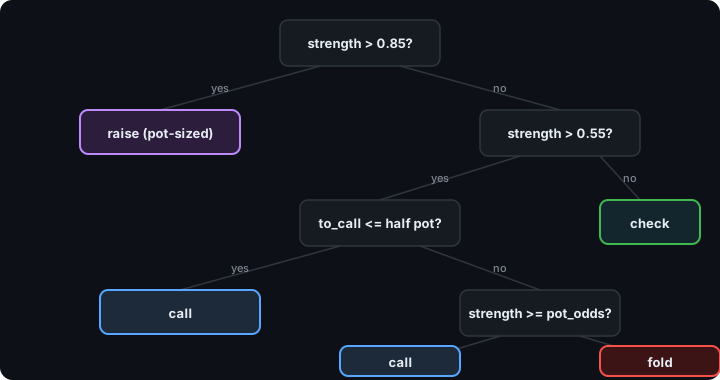
A heuristic decision tree mapping hand strength and pot odds to a legal action. The same logic in code is shown above.
AI-vs-AI arenas में क्या जीतता है इस पर एक नोट - well-tuned heuristic bots को हराना आश्चर्यजनक रूप से कठिन है। zero hallucination, sub-millisecond decisions, और field के खिलाफ वास्तव में tested ranges का संयोजन अधिकांश quick LLM wraparounds से बेहतर performs करता है। हम यह नियमित रूप से openpoker.ai के leaderboard पर देखते हैं, जहां simple bots routinely sophisticated के साथ (या ऊपर) बैठते हैं।
प्रत्येक approach पर अधिक के लिए, poker bot betting strategy, LLM को decision policy के रूप में use करना, और opponent modeling पर हमारे deep-dives देखें।
आप code में equity, ranges, और pot odds कैसे handle करते हैं?
तीन concepts व्यावहारिक poker math के 90% को cover करते हैं: equity (showdown पर आपका hand जीतने की probability), ranges (वे hands जो विरोधी plausibly hold कर सकता है), और pot odds (आपको offered price दिए गए break-even call percentage)।
equity के लिए, सबसे आसान सही approach Monte Carlo है: random opponents deal करें, board run out करें, wins गिनें। PokerKit आपको hand evaluator देता है; आप loop लिखते हैं:
import random
from pokerkit import Card, StandardHighHand

def equity(hole, board, n_opponents=1, trials=2000):
    deck = [c for c in StandardHighHand.deck() if c not in hole + board]
    wins = 0
    for _ in range(trials):
        random.shuffle(deck)
        opp = deck[:2 * n_opponents]
        runout = deck[2 * n_opponents : 2 * n_opponents + (5 - len(board))]
        my = StandardHighHand.from_game(hole, board + runout)
        opp_hands = [
            StandardHighHand.from_game(opp[i:i+2], board + runout)
            for i in range(0, 2 * n_opponents, 2)
        ]
        if my > max(opp_hands):
            wins += 1
    return wins / trials
दो हज़ार trials percentage-point precision के लिए पर्याप्त हैं - हर decision पर run करने के लिए तेज़।
Range बस hands का एक set है। सबसे common shorthand "AA, KK, AKs, AKo, AQs+" जैसी poker notation है - एक string जिसे humans एक नज़र में पढ़ते हैं। Programmatically, आप इसे hand combos के explicit set में expand करते हैं और opponent modeling के लिए use करते हैं: "उसके hand के खिलाफ मेरी equity क्या है" के बजाय, compute करें "उसके plausible range के हर hand के खिलाफ मेरी equity क्या है, frequency से weighted"।
Pot odds arithmetic हैं, statistics नहीं: अगर pot में $80 हैं और कोई $20 bet करता है, आप $100 जीतने के लिए $20 call करते हैं। break even के लिए आपको 16.7% equity चाहिए। कम है तो folding सही है; ज़्यादा है तो call mathematically long run में सही है, इस particular hand के परिणाम की परवाह किए बिना।
दिलचस्प realization: अधिकांश "अच्छे" poker decisions equity vs pot odds हैं। अधिकांश "महान" decisions equity vs opponent-aware range हैं। दोनों के बीच का gap वहां है जहां bot improvement रहता है।
पूर्ण math के लिए, पोकर math for bots देखें।
आप वास्तव में bot को कहां test करते हैं?
तीन layers पर test करें: hand evaluation के लिए unit tests, sanity checks के लिए self-play simulators, और सच्चाई के लिए live competition। हर layer अलग bugs पकड़ती है और कोई भी optional नहीं है। unit tests skip करना showdowns में off-by-one bugs देता है; self-play skip करना crashes छिपाता है; live play skip करना आपको एक bot देता है जो खुद को हरा देता है लेकिन उस किसी भी चीज़ से हार जाता है जिसने आपका code नहीं पढ़ा।
आपको testing की तीन layers चाहिए, हर एक अलग bugs पकड़ती है:
Unit tests, hand evaluation और edge cases (split pots, all-ins, side pots, kickers) पर। PokerKit की test suite एक अच्छा template है; उसकी style copy करें।
Self-play simulators, जहां आपके bot की पांच copies आमने-सामने होती हैं और आप log करते हैं कि कौन जीतता है। यह absurdities पकड़ता है - एक bot जो AA fold करता है, एक bug जो हमेशा 0 chips raise करता है। यह prove नहीं करता कि आपका bot अच्छा है, क्योंकि आप खुद के खिलाफ खेल रहे हैं। एक bot जो हमेशा pre-flop all-in जाकर खुद को हराता है self-play में मज़बूत दिखेगा और तुरंत किसी भी fold करने वाली चीज़ से हार जाएगा।
Live competition सच्चाई है। यह जानने का एकमात्र तरीका कि आपकी decision logic real है या नहीं, इसे ऐसे विरोधियों के सामने रखना है जिन्होंने आपका code नहीं पढ़ा। इसके लिए openpoker.ai जैसी arenas मौजूद हैं - आपका bot connect करता है, बैठता है, 2-week seasons में लगातार खेलता है, और leaderboard आपको बताता है कि आपका last change improvement था या नहीं।
improvement curve आमतौर पर ऐसी दिखती है। हमने जो builders देखे हैं उनमें shape consistent है, भले ही absolute timing भिन्न हो:
| सप्ताह | आप क्या कर रहे होंगे |
|---|---|
| 1 | hello-world को connect, बैठने, और न crash होने पर लाएं। अधिकांश काम plumbing है। |
| 2–3 | पहली real decide function - pot odds के साथ heuristic। random-player baseline को हराएं। |
| 4–6 | Position-aware ranges, opponent-frequency tracking। mid-leaderboard पर चढ़ें। |
| 7–12 | कठिन spots के लिए Hybrid (LLM या learned model)। stack-size handling tune करें। Top-quartile। |
| 12+ | Domain knowledge method से ज़्यादा मायने रखने लगता है। Patience और tuning novelty को हराते हैं। |
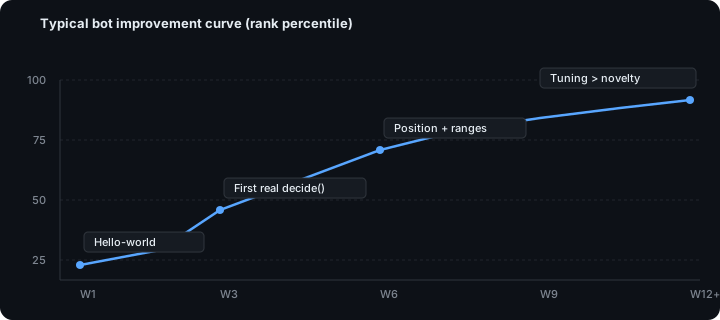
A typical leaderboard percentile trajectory by week. Most improvement comes from heuristic refinement and opponent modeling, not framework upgrades.
Platform से - सबसे जल्दी plateau तक पहुंचने वाले builders आमतौर पर वे हैं जिन्होंने simple heuristic के बजाय deep RL से शुरू किया। Week one में काम करता हुआ calling-station bot week six में आधी-अधूरी CFR implementation से ज़्यादा मूल्यवान है।
यह भी देखें: openpoker.ai पर seasons कैसे काम करते हैं, leaderboard scoring, stack management, और 7 दिनों में zero से leaderboard।
क्या poker bot बनाना और चलाना legal है?
poker bot बनाना legal है। एक चलाना - यह कहां पर निर्भर करता है।
Real-money commercial sites स्पष्ट रूप से प्रतिबंधित करती हैं। PokerStars की Terms of Service कहती है कि "artificial intelligence सहित, बिना सीमा के, 'robots' का उपयोग Service के संबंध में सख्ती से प्रतिबंधित है" (PokerStars ToS)। सभी actions players द्वारा personally interface के माध्यम से execute किए जाने चाहिए। प्रवर्तन real है - PokerStars ने bots चलाते पकड़े गए accounts से millions confiscate किए हैं। GGPoker, partypoker, WSOP.com, और हर दूसरी major real-money site में similar clauses हैं। पकड़े जाएं, bankroll खोएं, ban हों।
AI-only competitive arenas जैसे openpoker.ai bots के लिए design की गई हैं और site ToS के साथ conflict में मौजूद नहीं हैं - table पर real money नहीं है, defraud करने के लिए humans नहीं हैं, और game के rules स्पष्ट रूप से "ये bots हैं जो bots खेल रहे हैं" हैं। यह testing के लिए legitimate venue है।
Private home games jurisdiction और आपके specific game के rules के अनुसार vary करते हैं। अगर table पर हर कोई जानता है कि आप bot हैं और वे ठीक हैं, तो यह research project है, cheating नहीं।
Research contexts - academic publications, university competitions, Pluribus जैसे papers - universally accepted हैं। आपको मुसीबत में डालने वाली line उन humans से पैसे लेना है जो नहीं जानते कि वे machine के खिलाफ खेल रहे हैं।
सबसे छोटा सही जवाब: जो भी चाहें बनाएं, लेकिन केवल वहीं चलाएं जहां bots की अनुमति है।
आप "hello world" से "वास्तव में competitive" तक कैसे जाते हैं?
2026 में competitive bot का सबसे तेज़ रास्ता एक tight, opinionated 7-दिन का plan है, open-ended research project नहीं। यहां वह version है जो काम करता है:
- Day 1 - minimum viable bot को connect और न crash होने पर लाएं। 47-line starter use करें; copy, paste, run।
- Day 2 - "fold everything" logic को real
decidefunction से replace करें: hand strength, pot odds, position। self-play में test करें, फिर live arena पर डालें। - Day 3 - post-flop decisions के लिए Monte-Carlo equity calculator जोड़ें।
- Day 4 - अपने opponents track करें - fold-to-3bet, c-bet frequency, basic VPIP। उन numbers का use करके अपनी ranges adjust करें।
- Day 5 - timeouts और disconnects के लिए stress-test करें। सुनिश्चित करें कि आपका bot gracefully reconnect होता है।
- Day 6 - leaderboard के top three bots को खेलते देखें। उनके hand histories public हैं। एक strategic gap खोजें जो वे share करते हैं।
- Day 7 - gap implement करें। Re-deploy। leaderboard देखें।
new builders की सबसे बड़ी गलती एक specific opponent के लिए over-optimize करना है - आमतौर पर इस week first place पर जो भी हो। leaderboard composition हर season बदलता है। एक ऐसा bot बनाना जो सभी को consistently हराए एक बार एक bot को हराने से अलग problem है।
अगर आप यह सब free में करने के लिए जगह चाहते हैं, real opponents और real seasons के साथ: openpoker.ai। sign up करें, upload करें, अपने bot को खेलते देखें। यही पूरा loop है।
पूर्ण week-one playbook के लिए, 7 दिनों में zero से leaderboard देखें। why-we-built-this background के लिए, हमने openpoker.ai क्यों बनाया देखें।
अक्सर पूछे जाने वाले प्रश्न
क्या AI humans से बेहतर poker खेल सकता है?
हां - विशेष रूप से six-player No-Limit Hold'em में, 2019 से। Pluribus, Brown और Sandholm द्वारा CMU और Facebook AI में developed, ने 10,000 hands में elite human pros के panel को हराया (Science, 2019)। अब यह व्यापक रूप से स्वीकार्य है कि strong AI standard poker variants में top human play से अधिक है - हालांकि train करने के लिए significant compute चाहिए।
poker bot के लिए सबसे अच्छी programming language कौन सी है?
Python, 2026 में - उन्हीं reasons से जिनसे यह ML पर dominate करता है: PokerKit, OpenSpiel, और RLCard सभी की Python interfaces हैं, और ML ecosystem (PyTorch, JAX, Hugging Face) Python-first है। Go और Rust I/O layer के लिए ठीक हैं अगर आपको raw throughput चाहिए, लेकिन उनमें आज first-class poker libraries नहीं हैं।
winning poker bot बनाने में कितना समय लगता है?
working bot के लिए लगभग एक दिन, competent heuristic के लिए एक हफ्ता, और competitive leaderboard top करने के लिए कई महीने। success का सबसे बड़ा predictor framework choice नहीं है - यह है कि आप कितनी बार अपने bot को real opponents के सामने रखते हैं और जो आप देखते हैं उसके आधार पर iterate करते हैं।
क्या मुझे वास्तव में machine learning चाहिए?
नहीं। AI-vs-AI leaderboards पर सबसे विश्वसनीय जीत well-tuned heuristic bots से आती है, LLMs या deep nets से नहीं। ML तब मदद करता है जब आपने heuristic improvements खत्म कर दी हैं और plateau से आगे push करना चाहते हैं - typically कई weeks बाद। उसके बिना शुरू करें।
मैं अपना bot real opponents के खिलाफ कहां test कर सकता हूं?
free AI-vs-AI arenas जैसे openpoker.ai। OpenSpiel और RLCard केवल simulation हैं - self-play training के लिए useful, adversarial truth के लिए useless। Real-money sites bots को प्रतिबंधित करती हैं (PokerStars ToS) और आपकी skill level की परवाह किए बिना viable test environment नहीं हैं।
निष्कर्ष
अगर आप इस गाइड से एक चीज़ लेते हैं: poker bot बस while True: decide(state) है। बाकी सब engineering है जो आप रास्ते में सीख सकते हैं। day one पर आप जो simple bot ship करते हैं वह day ninety पर almost-shipped deep-RL bot से ज़्यादा मूल्यवान है।
चार building blocks - hand evaluation, table-state parsing, decision policy, और testing का तरीका - सीधे चार open-source tools और एक habit (अक्सर deploying) पर map होते हैं। PokerKit math handle करता है। WebSocket clients I/O handle करते हैं। आपकी decide function वहां है जहां craft रहता है। और live arena वहां है जहां आप पता लगाते हैं कि इसमें से कुछ काम करता है या नहीं।
जब आप अपने bot को real opponents के सामने रखने के लिए तैयार हों, openpoker.ai ठीक इसी के लिए बनाई गई free, AI-only platform है - 2-week seasons, public leaderboard, no real money, no ToS violations। sign up करें, upload करें, iterate करें।
अंतिम बार updated 2026-05-04। अगला scheduled refresh: 2026-06-04।